High-performance tires are precision-engineered components designed for drivers who prioritize handling, steering response, and stopping power. By using specialized "sticky" rubber compounds and reinforced sidewalls, these tires maximize the contact patch, the critical area where the tire meets the road, to deliver race-inspired dynamics for street use.
1. What are High Performance Tires and Ultra-High Performance (UHP) Tires?
While many drivers ask, "what are high performance tires?" the answer lies in their speed ratings and construction. Standard tires are built for longevity, but high performance tires prioritize responsiveness.
- High Performance (HP) Tires: Generally feature speed ratings of H (130 mph) or V (149 mph). They offer a balance of sporty handling and everyday durability.
- Ultra-High-Performance (UHP) Tires: Represent the top tier of performance technology, often carrying W (168 mph), Y (186 mph), or (Y) (above 186 mph) speed ratings. Approximately 15% of current tires on the market achieve the highest "AA" traction grade required for UHP standards.
- Summer Performance: Optimized for temperatures above 45°F, using softer compounds that provide maximum "stick" on warm asphalt.
- Performance All-Season: A versatile hybrid designed to maintain grip as temperatures drop, suitable for regions with mild winters.
2. Best High-Performance Tires for 2026
Recent data from Consumer Reports and industry testing highlights the best high-performance tires currently available for sports cars, sedans, and performance SUVs:
- Continental ExtremeContact DWS06 Plus (SimpleScore: 9.5): A leading UHP all-season choice that eliminates the need for winter swaps in many climates.

-
Pirelli P Zero (PZ5) (SimpleScore: 9.0): Launched in 2025, the fifth-generation P Zero utilizes AI-driven development to achieve a "9.7" handling score. It features a flatter contact patch for superior cornering and a plasticized compound for consistent performance across broad temperature ranges.
-
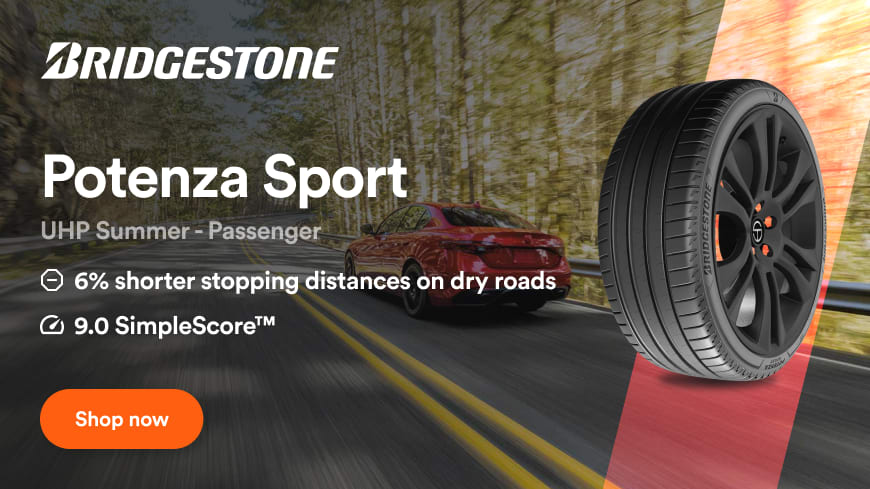
Bridgestone Potenza Sport (SimpleScore: 9.0): Engineered for maximum steering precision and high-speed stability.
- Yokohama Advan Neova AD09 (SimpleScore: 8.5): This extreme-performance summer tire is race-born and street-ready. It features an asymmetric tread pattern and a high-silica compound for "glue-like" grip on both tracks and winding roads.

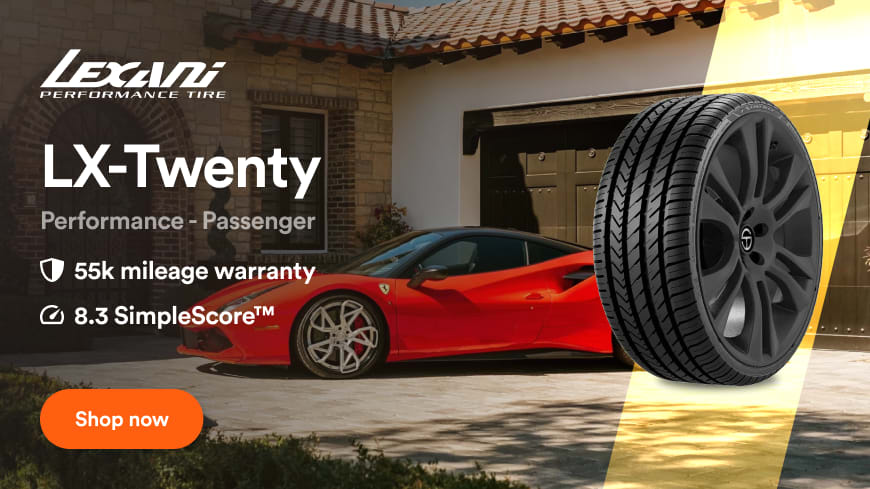
- Lexani LX-Twenty (SimpleScore: 8.3): A standout choice for those seeking a high-performance tire on a budget. It offers an aggressive look and reliable handling with an impressive 55,000 mile warranty, a rarity in the UHP segment.
3. How to Balance Ride Comfort with Performance
A major challenge is how to balance ride comfort with performance when selecting sport tires. Because performance tires have stiffer sidewalls to reduce "flex" in corners, they can feel harsher over bumps.
- Select a Touring-Performance Hybrid: If you prioritize a quiet cabin, look for tires with "variable pitch" tread designs that cancel road noise.
- Check the Aspect Ratio: Higher sidewalls (e.g., 50 to 55 series) absorb more road vibration than ultra-low-profile tires (e.g., 30 to 35 series).
- Acoustic Technology: Some premium ultra-high-performance tires now include internal noise-abatement foam to reduce resonance on the highway.
- Compound Softness: Look for a UTQG treadwear rating between 300 and 400; these often provide a more forgiving ride than "track-ready" tires with ratings below 200.
4. Daily Commuting: Performance vs. Standard Tires
Understanding how to use high-performance tires for daily commuting safely is vital, as these tires behave differently from standard rubber.
- Temperature Sensitivity: Summer high-performance tires become rigid and lose grip below 45°F. For safe commuting in variable climates, ensure you have a dedicated set of winter tires or use UHP all-seasons.
- Tread Depth Monitoring: Performance tires often have lower initial tread depths (approx. 8/32" to 9/32") compared to standard tires (10/32" to 12/32"). Check depth monthly, as the legal limit is 2/32".
- Inflation is Critical: High-speed tires are sensitive to pressure. Under-inflation by just 5 PSI can increase heat buildup and significantly reduce steering precision.
- Avoid Aggressive Launches: While tempting, "jackrabbit" starts on high-performance tires can reduce their lifespan by up to 25%, as the softer compounds wear rapidly under high torque.
Summary and Next Steps
Investing in high-performance rubber turns every corner into an experience. By choosing the right performance tire for your vehicle, you gain the shorter braking distances and sharper handling necessary for modern road safety.
